
Biophilic Design
A term few have heard but all should become familiar with

In the last few decades, modern culture has shown a drastic shift in the relationship between humans and nature. As we become more technologically advanced, our connection to the natural world has grown distant. A 2017 study revealed that, since the 1950s, references to nature in cultural products has seen a significant decline. The decrease in nature being featured in songs, books and movies reflects the growing distance between humans and nature. After all, why would we sing about something we don’t love? Why would we write about something no one is interested in?
We have grown apart from nature and we need to reintegrate it into our lives.

The impact of this disconnect is significant. The majority of Americans spend most of their time inside, whether in their homes, workplaces or vehicles. This often comes with a more sedentary lifestyle which can lead to serious conditions such as diabetes, heart disease, depression and anxiety. Indoor air often has higher concentrations of pollutants which can play a role in frequent headaches, fatigue and respiratory diseases.
Time spent in nature, however, is shown to reduce stress, improve sleep, enhance creativity and provide mental restoration. Just a couple of days ago my kids and I were having a really stressful morning. Everyone was grumpy and irritable but the minute we stepped outside all of that vanished almost instantly. Fresh air can ease stress so quickly! Along with the individual benefits that nature offers, spending time in nature tends to encourage people to care more deeply about the world around them and be mindful of environmental issues.

Integrating nature can also happen through your home. Although it doesn’t replace going outside, bringing in nature brings these benefits into your space and helps to enhance your quality of life.
Biophilic design is the area of architecture and interior design that integrates nature into human spaces. You see this most often when people decorate with plants but it’s also achieved by bringing in natural materials like wood or linen, letting in natural light, opening a window to let in fresh air, using nature inspired color palettes, even pets are considered part of biophilic design!
Having plants indoors improves the air quality (cutting back on those pollutants I mentioned earlier), improves focus and reduces stress. Houseplants are a great way to bring nature inside but there are many reasons why one might not keep houseplants. I, for one, don’t have the greenest of thumbs and many of the plants I try to grow end up dying… it’s an area of growth and learning for me. If you’d like a non-plant alternative to biophilic design, natural materials such as wood or rattan, nature-inspired color palettes or botanical prints are great ways to achieve the natural aesthetic.
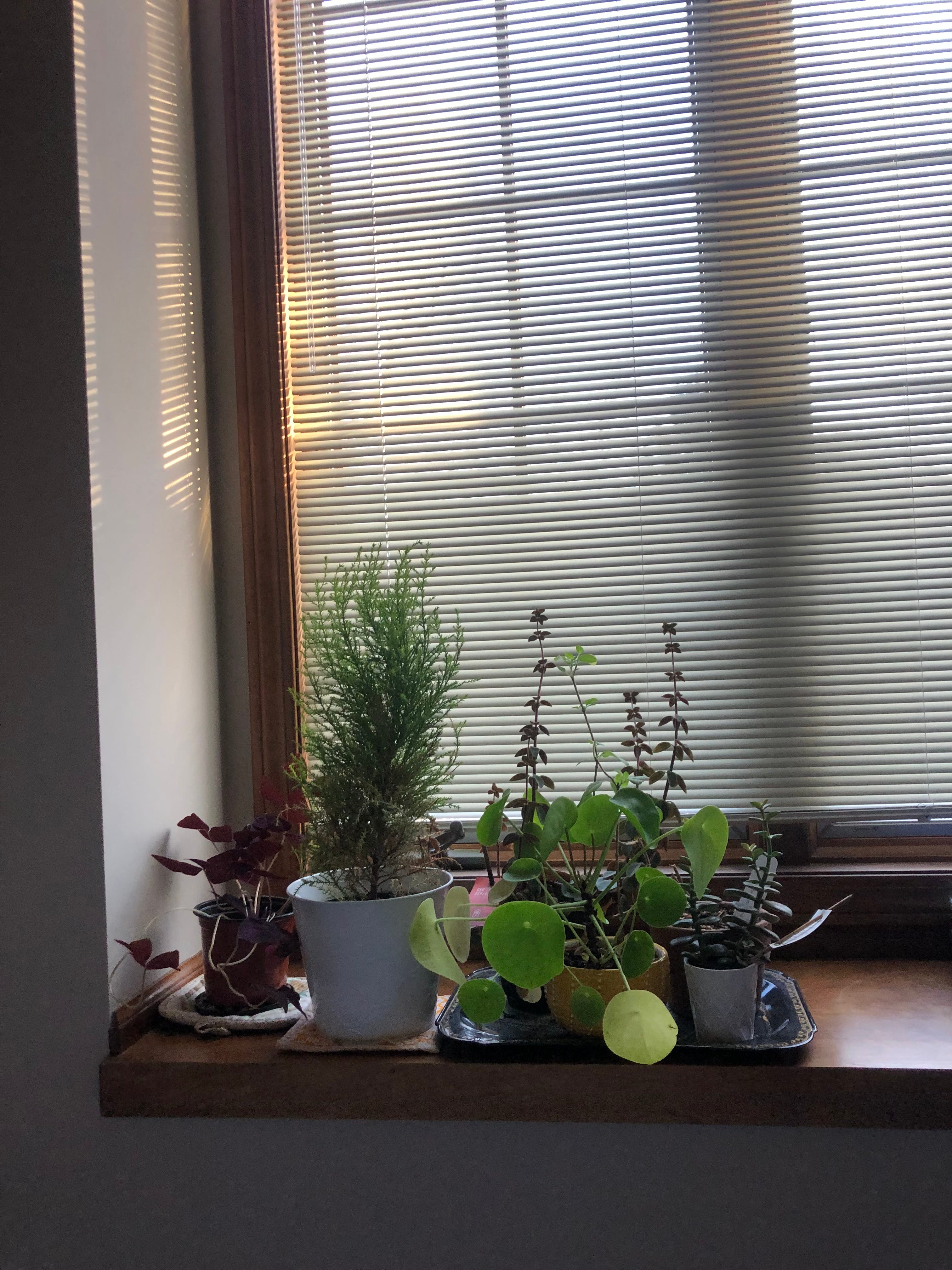
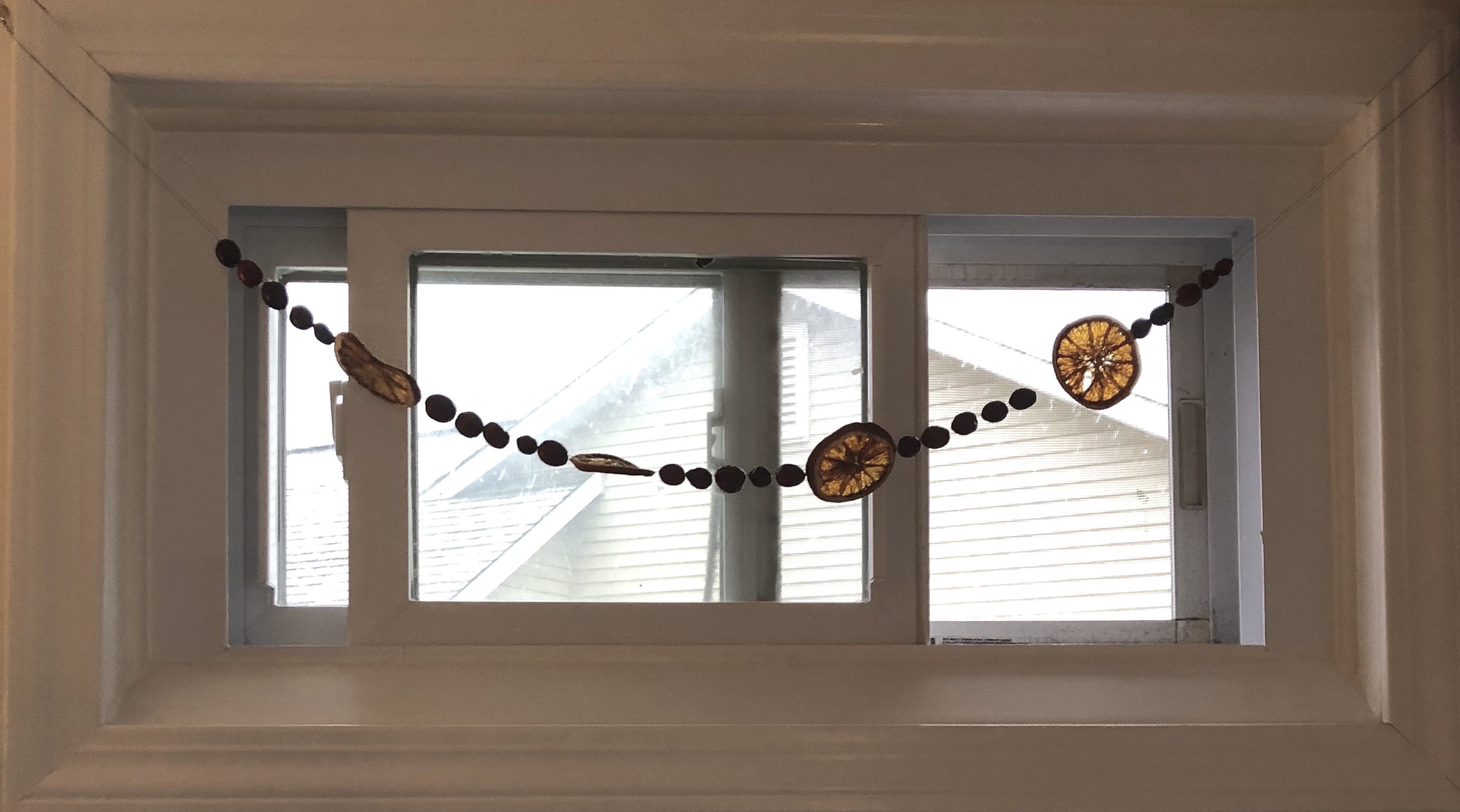
Seasonal decorating is another way you can practice bringing nature in. This is the art of decorating your home to reflect the seasons, not only with a tree and a wreath around the winter holidays but all year round. One of the key elements of seasonal decorating is to reflect the unique characteristics of each season, like using cherry blossoms as a centerpiece in the spring and swapping them out for colorful wildflowers come summer.
Biophilic design is one of my favorite approaches to design. Nature brings me so much peace and joy and I love that I can bring it into my home. I bring nature into my home through natural materials in furniture, blankets, kitchenware, artwork and more. My kids and I take our dinners outside nearly every day from the first warm evenings of spring until the fall air becomes too brisk to enjoy our meals. It’s one of my favorite things we do as a family.
If you look up biophilic design you’ll likely come across pictures of elaborate indoor gardens, vast moss walls and floor-to-ceiling windows. While these things are beautiful works of design, you can use principles of biophilic design in small, simple ways. My recommendation? Open your windows!
Love this! I wrote a Newletter recently about the importance of biophillic workspaces after reading a research paper about the importance of this. So much evidence out there to support natural elements in our indoor spaces. Like you said, it reduces stress, boosts creativity and improves our wellbeing. You can read more about this in the article under my reads, it's called winter skin and indoor greens, thriving in indoor spaces. I write a weekly newletter about relfecting on wellness, seasonal living and a connection to the environment. I am looking forward to learning more about how to decorate my indoor space throughout the seasons. I dont really like bringing cut flowers inside as I like to see them in their natural environment, but I do try and change up the colours of my interior. Any other tips are most welcome. Thanks again for this great piece.
This is definitely my style of decorating. I didn’t know it had a name! Thank you for the article.